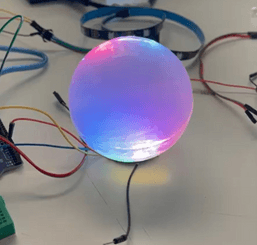
Harvest

A Multisensory Object Expressing Subtle Aliveness

Client - Philip Beesley Studio

Installation Design

7-9 min read
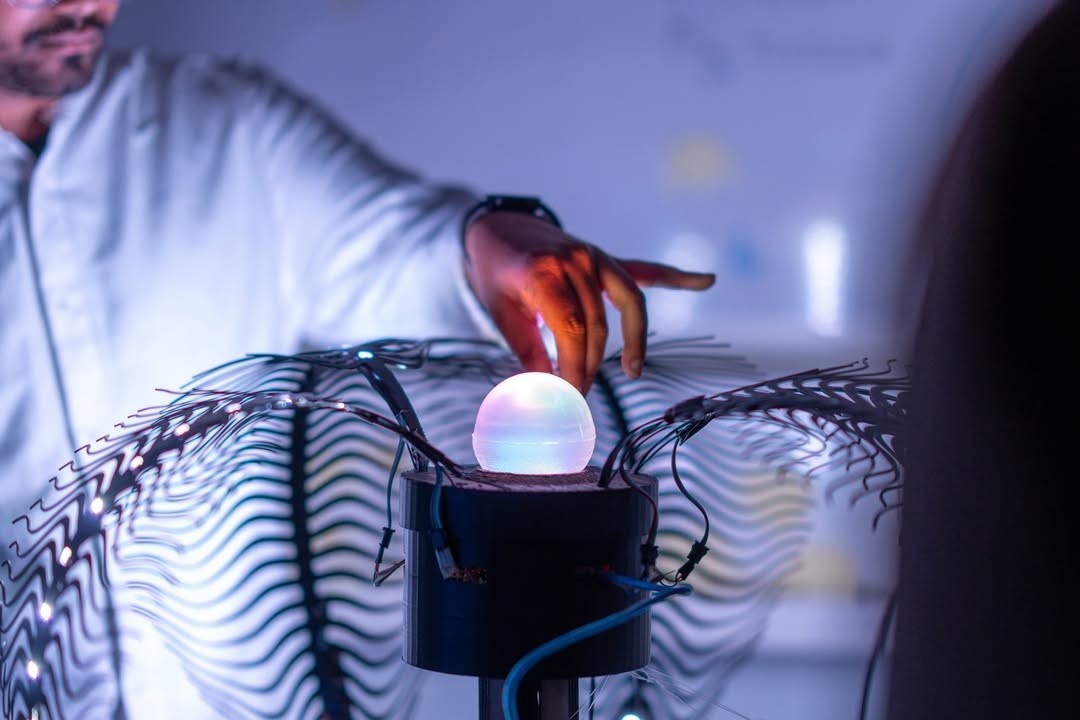
My Role

Installation Interaction Designer

Team

Delfa Sabti

Sinea van der Vlies Charlotte Hoefman


Akshat Choudhary

Tim van Gool

Sjoerd de Groot

Duration

3 months

What Did I do?

HCI

Physical Computing

Wireframing

Interaction

Prototype

Overview

An installation that transforms a static 3D form into a responsive, breathing presence. Through motion, light, and sound, Harvest invites interaction and evokes fragility, tension, and emergence.
Soft, translucent materials contrast with dynamic, mechanical structures to create a multisensory experience that asks: when does an object become alive?

Home

Work

Object (The Start)

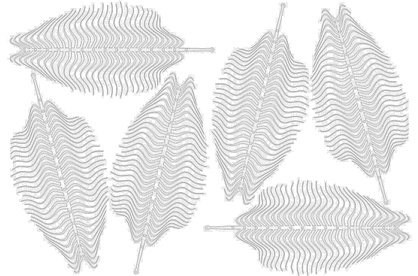
We began by transforming a 2D Ernst Haeckel illustration into a living 3D form.

Sampling (2D - 3D)

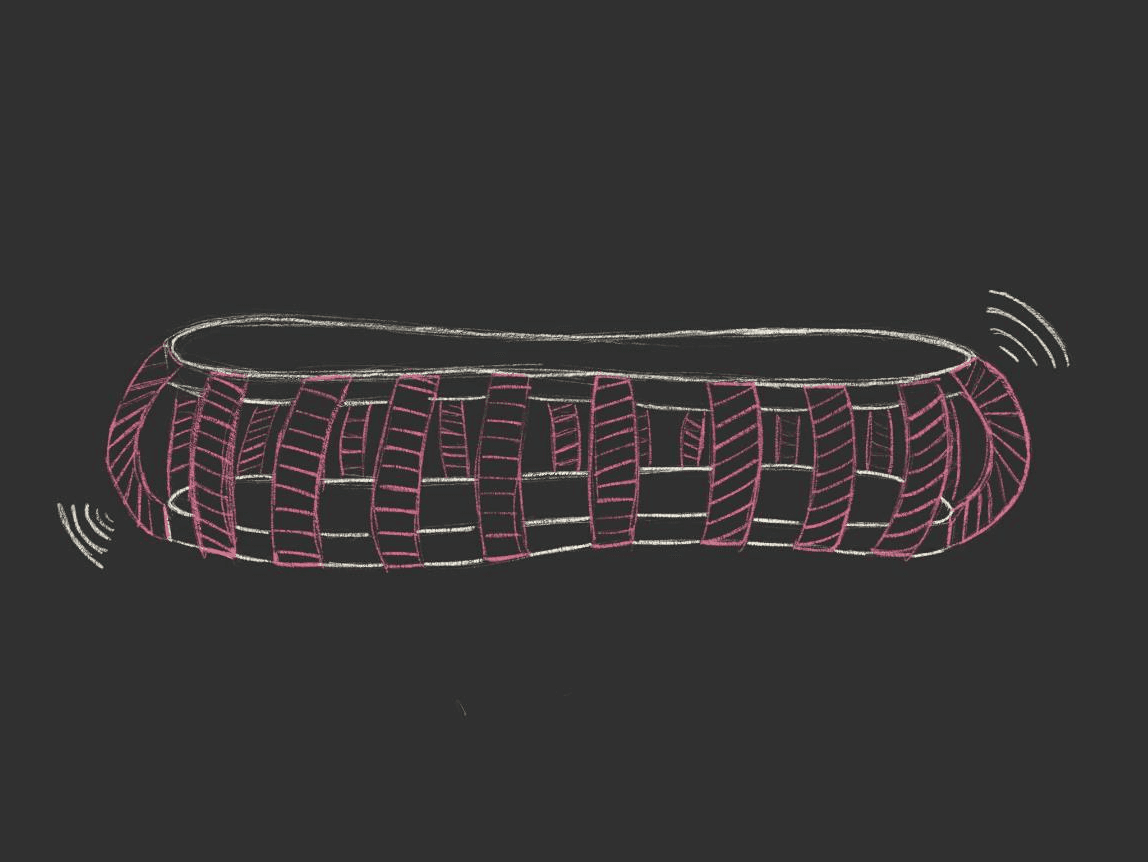
To start off, we analyzed the shape on the Gestalt principles. We could see multiple forms of symmetry, continuation and repetition. Below you can see a figure In which we analyze the shape further and mention where these principles can be found.

Sensory Analysis

To start off, we analyzed the shape on the Gestalt principles. We could see multiple forms of symmetry, continuation and repetition. Below you can see a figure In which we analyze the shape further and mention where these principles can be found.

Manifestation

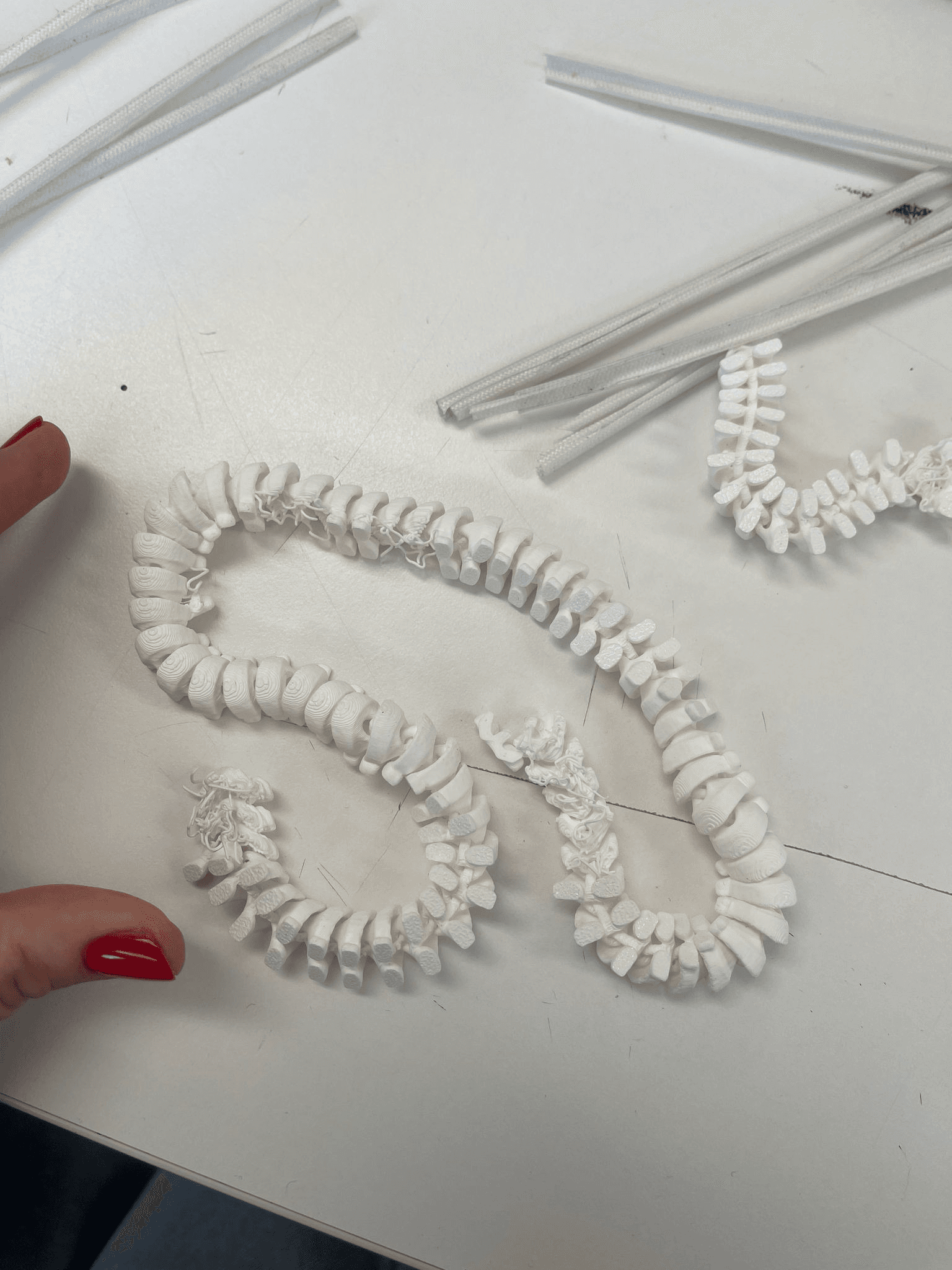
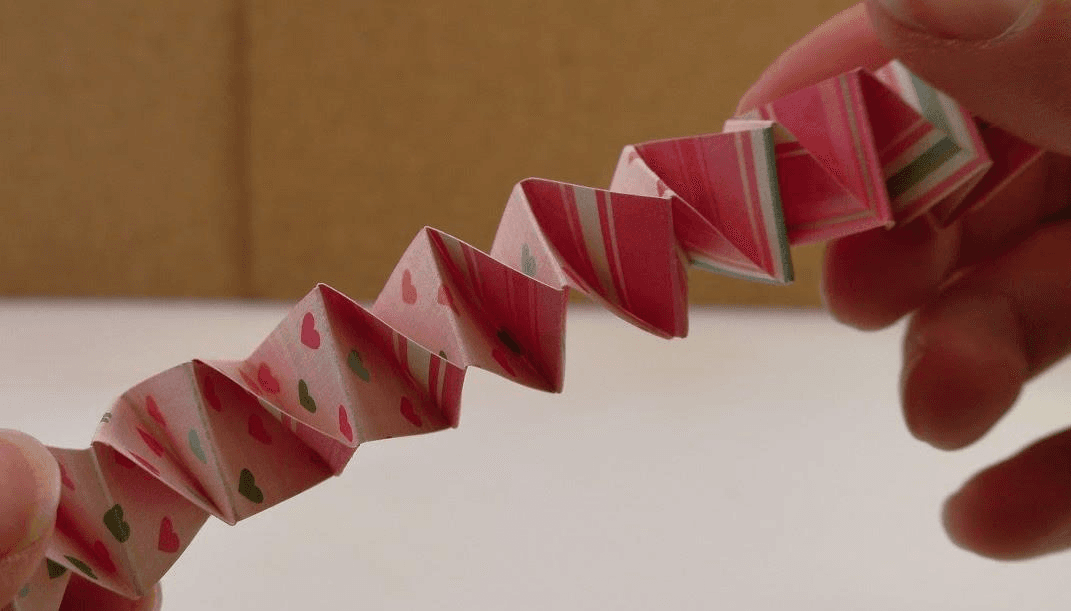
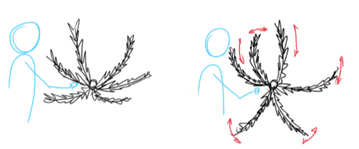
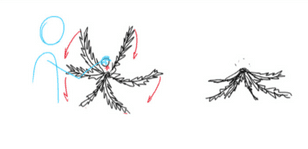
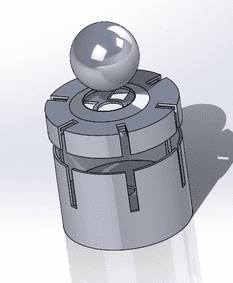
As defined in the sensory analyses we thought of creating another point of symmetry but this time we thought of putting below the shape. As we wanted to create a breathing like motion we wanted to make the ridges In between flexible so It could move up and down. Inspired by the puff pastry and puri we had a personal conversation about.


Sound

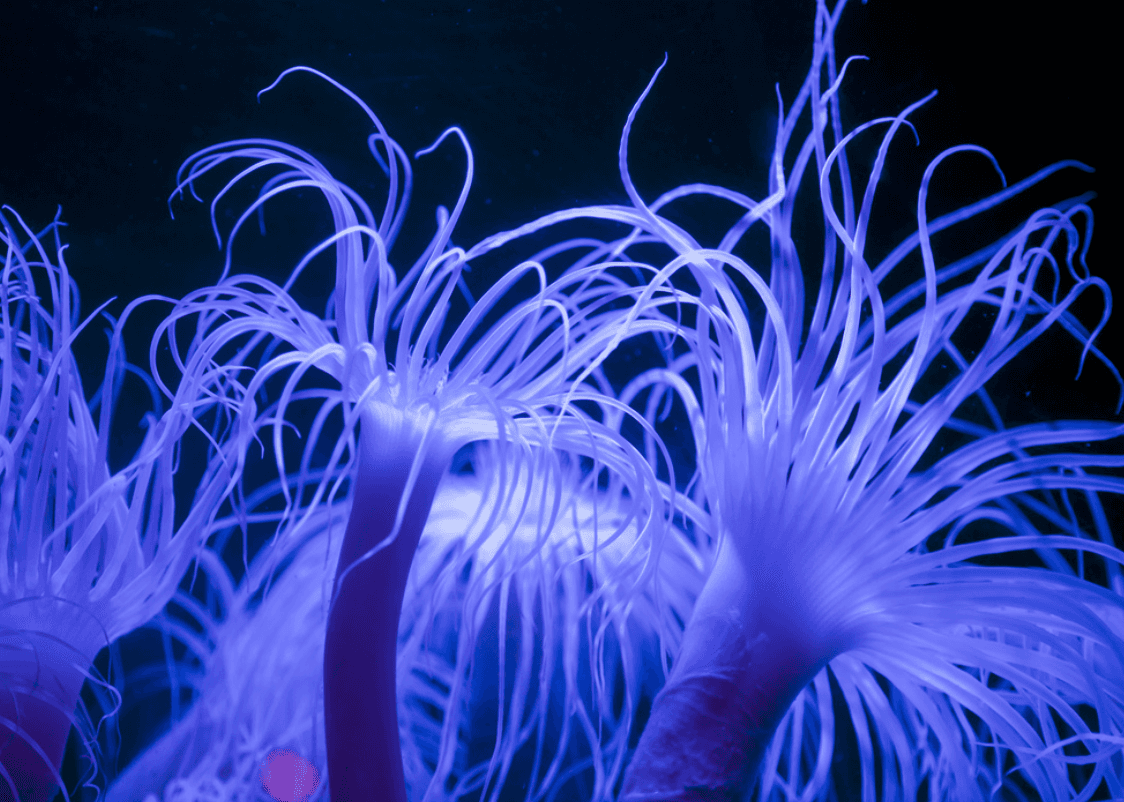
Our object is inspired by sea anemones, which move gently with the water. To make it feel even more like it belongs in the ocean, we added deep sea sounds, including real bubble recordings from an aquarium. These sounds help create the feeling of being underwater, making the experience more natural and immersive. The bubbling noises remind us of the way water moves and breathes, making our object feel more alive and connected to the deep sea world

Manifestation of Sound in Our Object

The sound in our object is designed to enhance the feeling of being submerged in the deep sea, reinforcing its organic, flowing nature. As users interact with the object, they will hear soft, rhythmic bubbling sounds recorded from an aquarium. These deep, resonant bubbles will gently rise and fade, mimicking the movement of water and air beneath the surface.


The sound will manifest in the following ways:
1.Responsive Soundscapes – The bubbles will subtly change in intensity based on user interaction, creating a dynamic and engaging experience.
2. Ambient Underwater Effect– A continuous, soft bubbling sound will provide a calming backdrop, evoking the peaceful depths of the ocean.
3. Immersive Depth Perception – Layered audio frequencies will simulate varying depths of water, making the object feel as if it exists within an underwater ecosystem.
4. Organic Flow – The sound will not be repetitive but instead will have natural variations, mimicking the unpredictable yet soothing nature of real aquatic environments.

Through this auditory experience, our object will create an emotional and sensory connection to the deep sea, making the interaction more immersive and lifelike.

Touch

To make our object feel like a real sea anemone, we tested different materials and textures to see what felt the most natural.

Trying Different Materials – We tested soft and flexible materials like fabric mesh, rubber, and silicone to see which one felt the most like a sea creature.

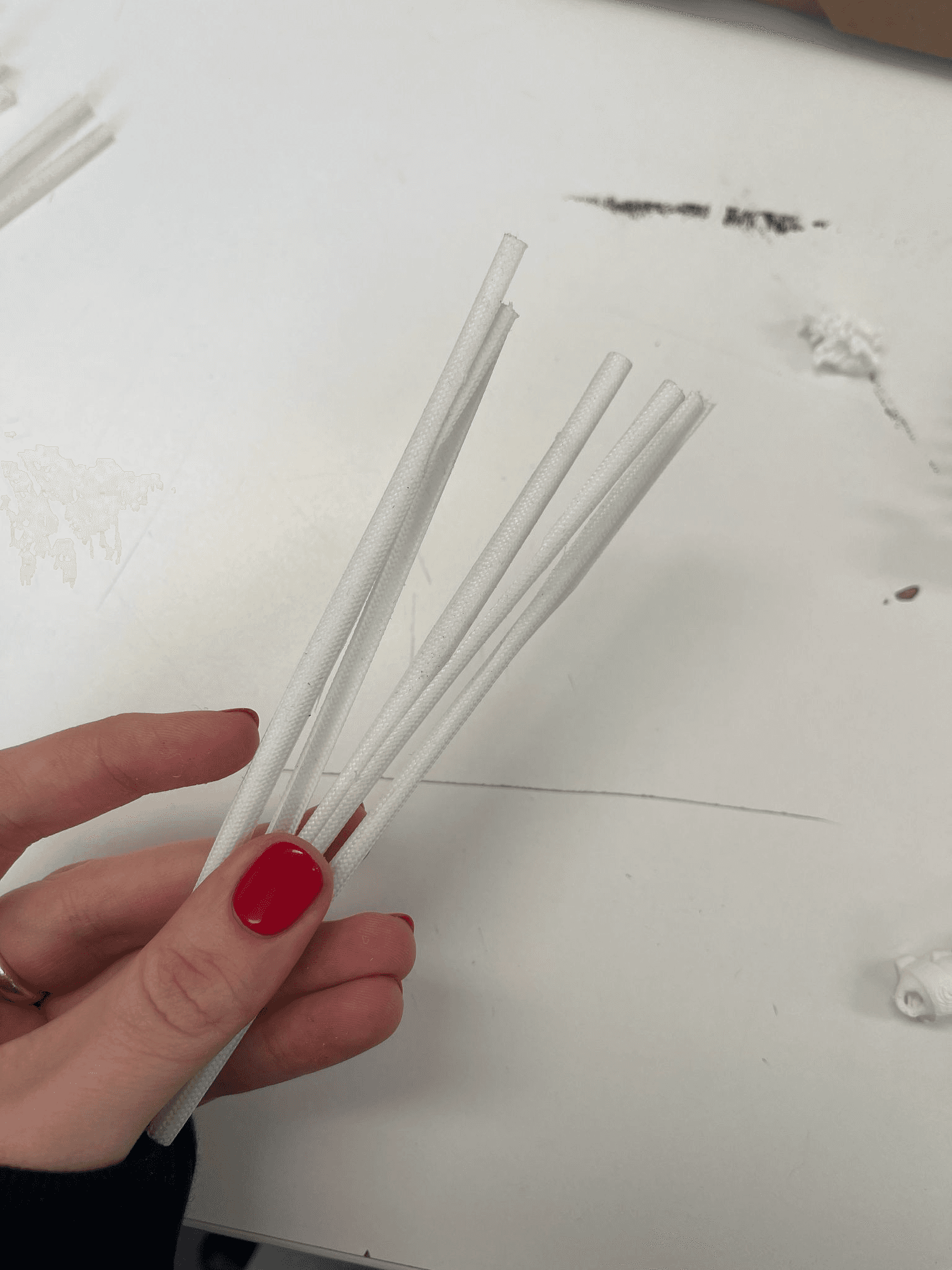
Choosing Braided Cable Covers – We found that braided cable covers had the perfect soft and woven texture. They were flexible enough to move like real sea anemone tentacles.

Cutting and Shaping – We cut the cable covers into thin strips so they could bend and sway when touched, making the experience more lifelike.

Testing with People – We asked people to touch and interact with the material in different ways brushing their hands over it, pressing it, and stroking it to see if it felt natural.

Improving the Design – Based on feedback, we adjusted the length and thickness of the strips to make them feel even more realistic and fun to touch.

Texture (How It Feels to Touch)The braided cable cover is soft and slightly rough at the same time. When you run your fingers over it, it feels woven, almost like fabric, but with a little grip. This makes it feel more natural, like the gentle, flowing tentacles of a sea anemone. The cut strips create tiny edges that add a slight roughness, making the touch more interesting just like how sea creatures have smooth but slightly bumpy textures.


Movement (How It Reacts to Touch) When you touch or brush your hand over the strands, they move and sway gently, almost as if they are alive. They don’t stay stiff or rigid; instead, they bend and flow with your fingers, just like how sea anemones react to ocean currents. The light movement makes the object feel playful, inviting you to keep touching it, just like running your hands through soft grass or feeling water ripple between your fingers.

Light

In this setup, the changing colors and the darkness around them helped us see how our brain reacts to different light effects and how we understand what we are looking at.

  • Figure and Background: The changing neon lights were easy to see because they stood out against the dark background. Our brain sees the bright color as the main thing and everything else as the background, which is a simple way of organizing what we see.

  • Grouping Similar Things Together: The LED lights changed in patterns like flashing in the same rhythm, which made us see them as related or grouped together, even though they were changing colors. The proximity of the lights also helped us see them as a set, instead of individual lights spread apart.

  • Filling in Gaps: When some parts of the box went dark and others were lit, our brain naturally filled in the missing parts. Even if some of the box was not lit up, we still saw it as a complete, illuminated object. This is how our brain makes sense of incomplete information and makes everything seem connected.

After completing our duo explorations of form, sound, touch, and light, our full team of six regrouped to combine our work. Each duo had created a unique object with its own sensory expression, and we selected the strongest elements from all three. These chosen components were then refined and merged into a single direction that shaped our final installation.

Synthesizing Ideas Into One Final Form

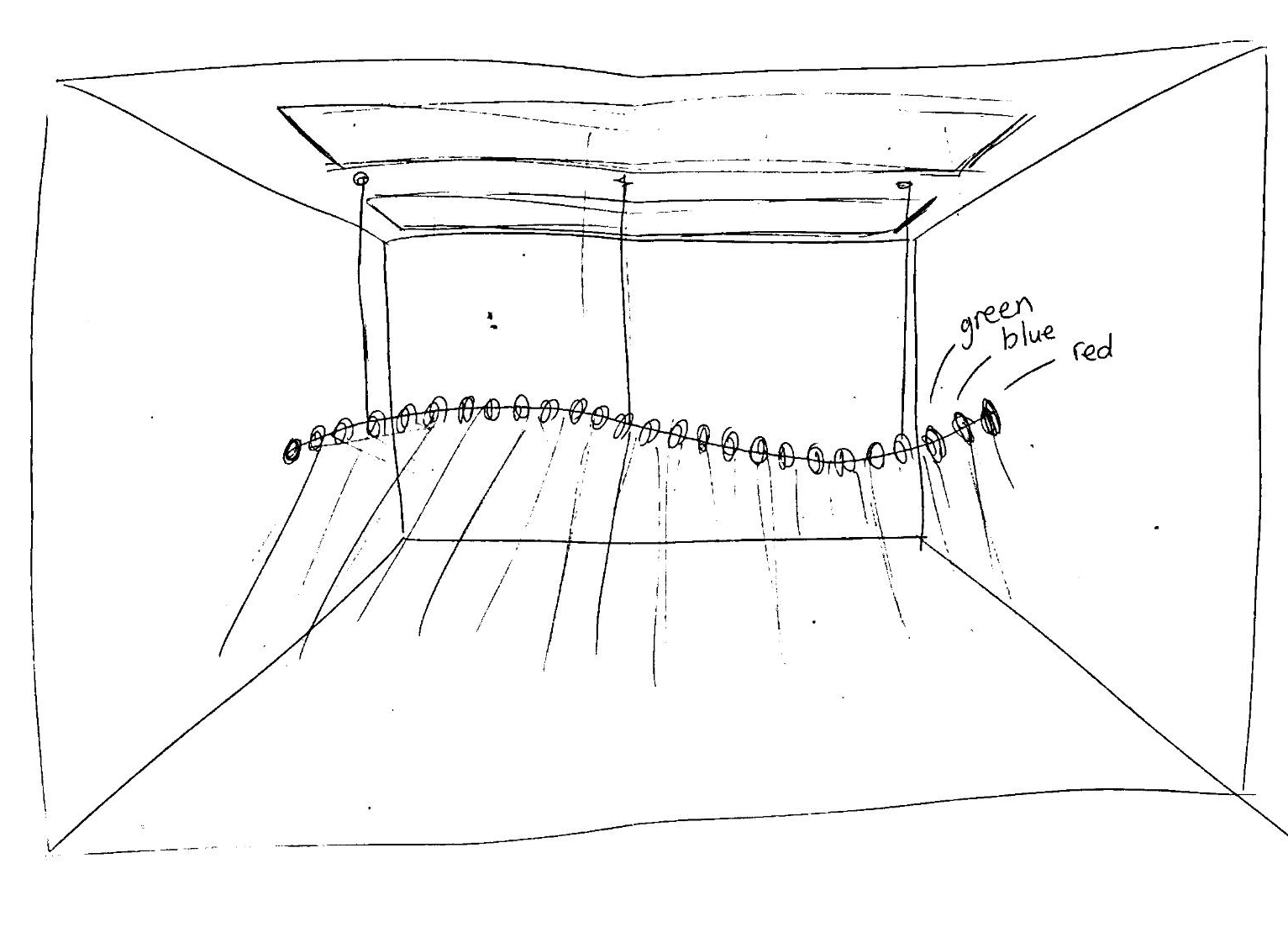
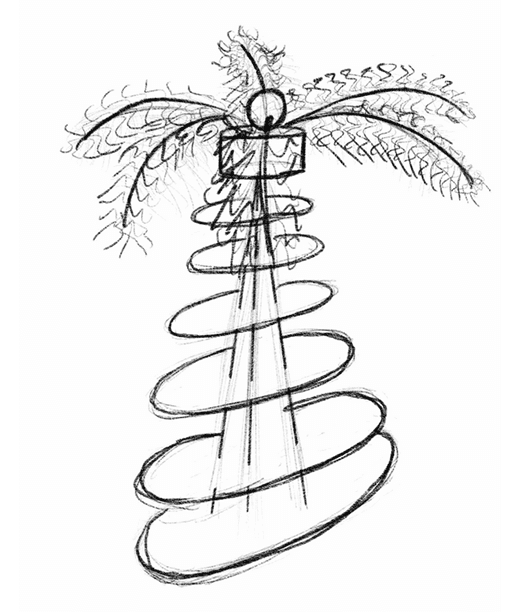
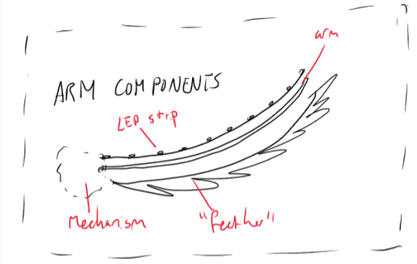
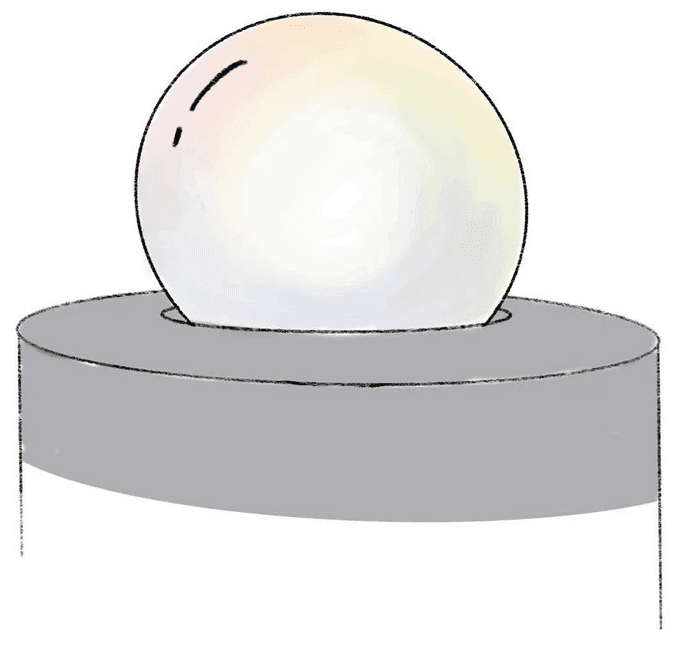
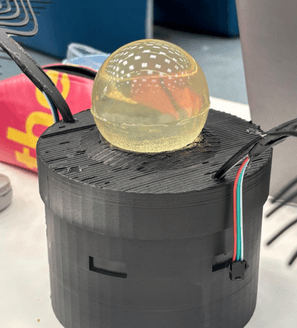
Our sensory analysis began with the intention to create a multisensory organism. A composition in which form, movement, light, and materiality converge to bring the presence of something subtly alive. The experience centers around a fragile, glowing core the pearl, surrounded by a dynamic and protective structure the leaves, all placed on a pedestal that elevates both form and perception.

Visualization and Story boarding
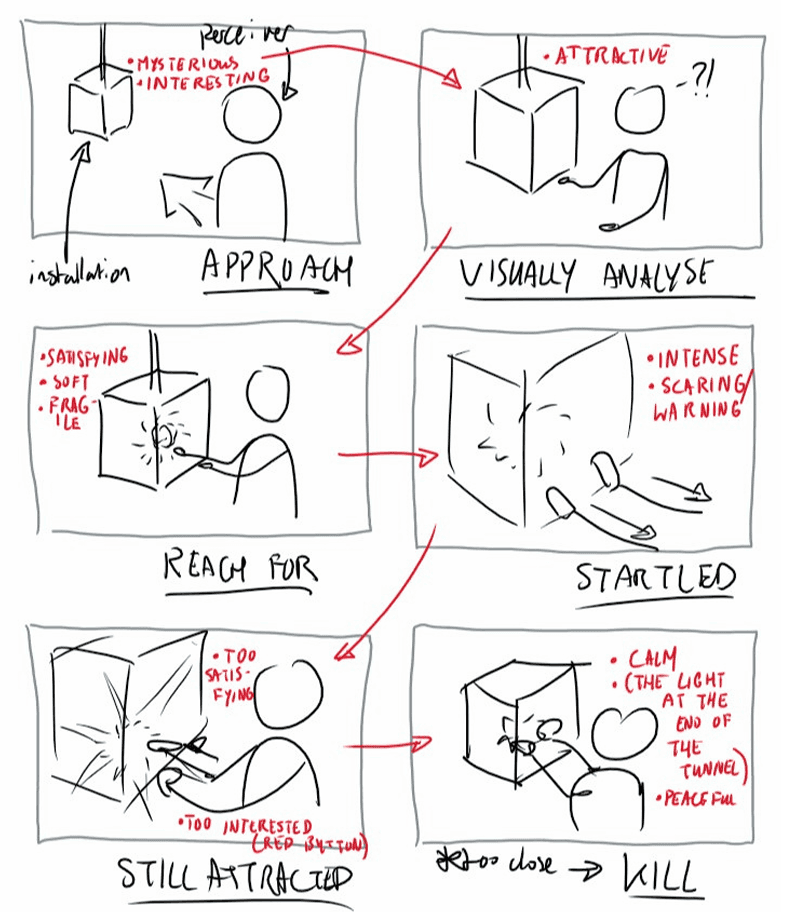
Our exploration began by analysing the assigned Haeckel-inspired form through sensory sampling and Gestalt principles, translating its visual logic into material and structural possibilities. Instead of recreating a biological organism literally, we studied patterns such as cellular repetition, filigree structures, rhythmic layering, diffraction, and shadow play and used these qualities to guide our physical experiments.

Material / Form Exploration

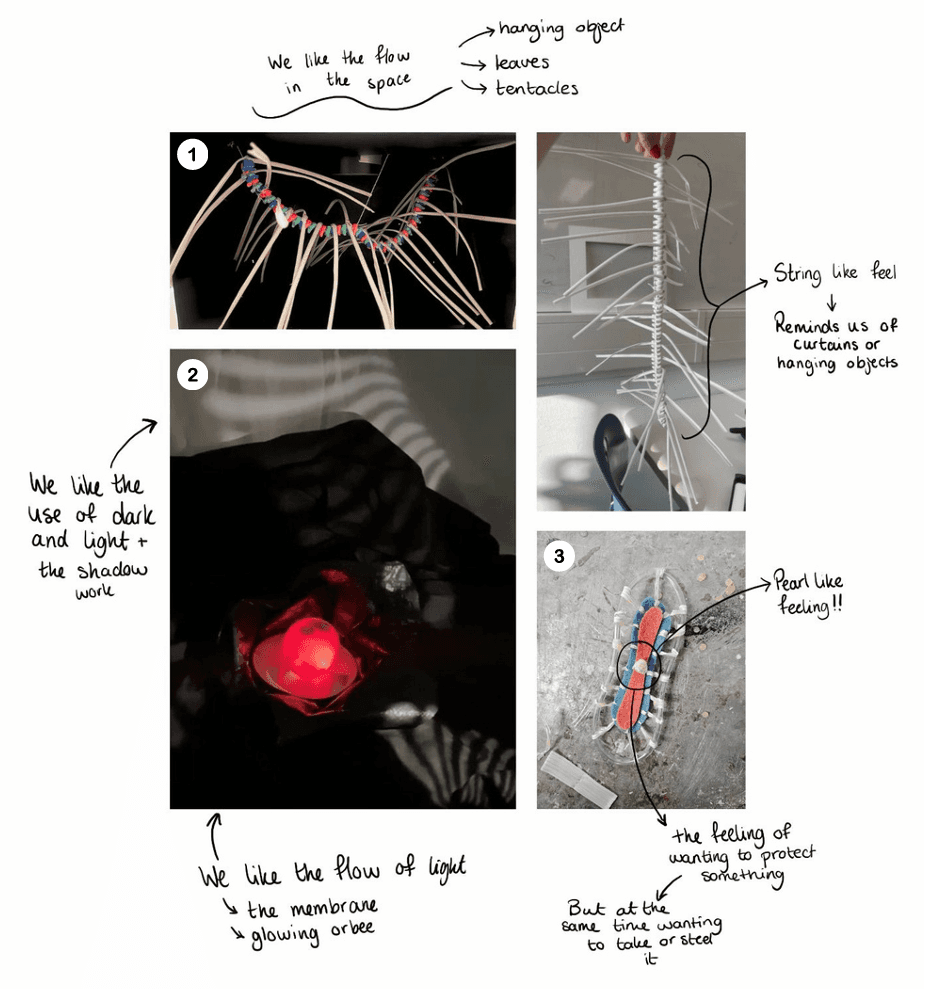
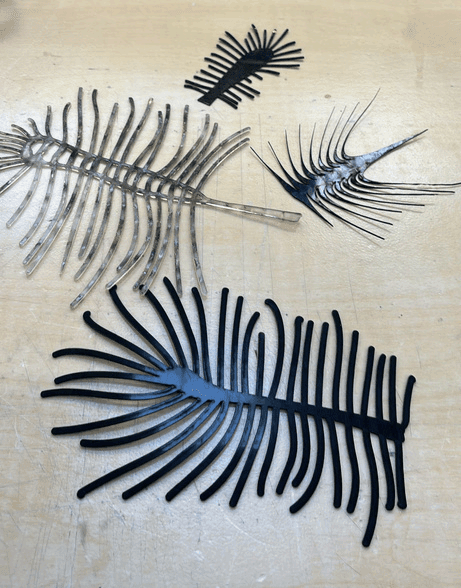
We built a series of material samples testing flowing tentacle like structures, dark–light interactions, diffused membranes, and pearl like translucency. These helped us understand how motion, flexibility, translucency and shadow casting could convey the sense of something subtly alive.

Through iterative sketches and prototypes, we identified key perceptual characteristics:

  • A fragile illuminated core as the figure

  • Surrounded by layered, rhythmic elements acting as the ground

  • A contrast between soft organic materials and precise, artificial structures.

We designed the base to ground the object without overpowering it. Using our Ground–Figure analysis, we explored stable, rhythmic structures that complemented the softness and movement of the main form. The final base provides balance, subtle tension, and a clean contrast to the glowing, organic upper form — allowing both elements to feel connected as one cohesive piece.

Materials like gelatin for the pearl and polypropylene for the leaves emerged from this process because they physically expressed those sensory qualities like soft vs. rigid, glowing vs. shadow casting, fragile vs protective. Our form development used symmetry, continuity, proximity and similarity to shape the object into a cohesive multisensory composition that “breathes” visually

Final Outcome

Akshat Choudhary

Scroll to top

Get in touch

Lets create cool things together

Made with lots of love, coffee and framer (of course!)

Bloom

Speculative Design

Healthy Hero

UI/UX Design

Yester - Tower

Strategy Design

FDP

Product Design

TDV Library

UI/UX Design

EXPLORE WORK✨BEST WORK✨EXPLORE WORK✨BEST WORK✨

Thanks for watching

Create a free website with Framer, the website builder loved by startups, designers and agencies.